


Articles
The Starry Night του Vincent van Gogh
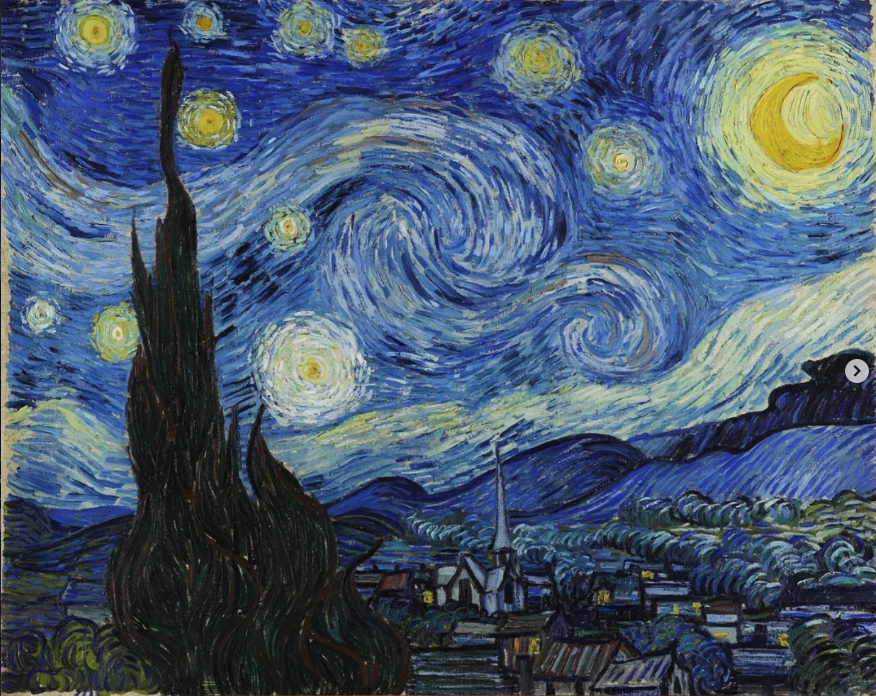
🖼️ Could it be that you see the world differently… and have not yet named it? In the painting The Starry Night In Vincent van Gogh’s work, the sky is never still. It swirls, pulsates, and feels with heightened intensity. And yet, within this intensity, there is an order of its own and an inner harmony that is not immediately visible. Read more…
«We’ll always have Paris.» — Casablanca (1942)
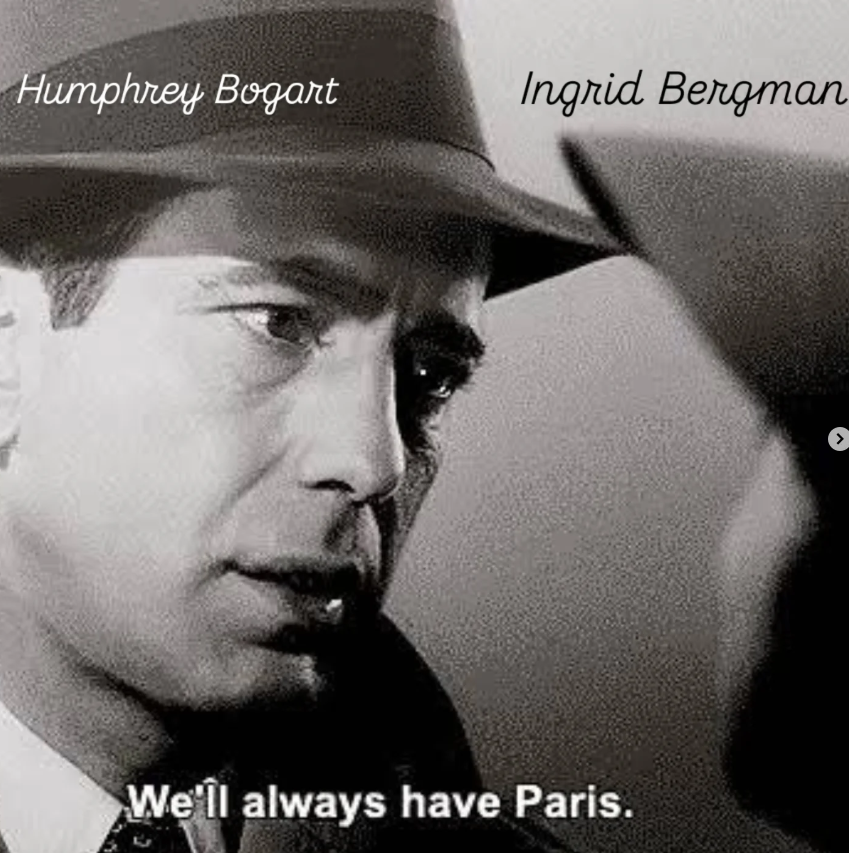
At an airport against the backdrop of the Second World War, Rick says goodbye to Ilsa. No, the lovers do not leave together. The fairytale is not affirmed. Instead of holding on to the woman he loves, he gives her the freedom to leave with her husband. Read more…
Melancholy του Munch
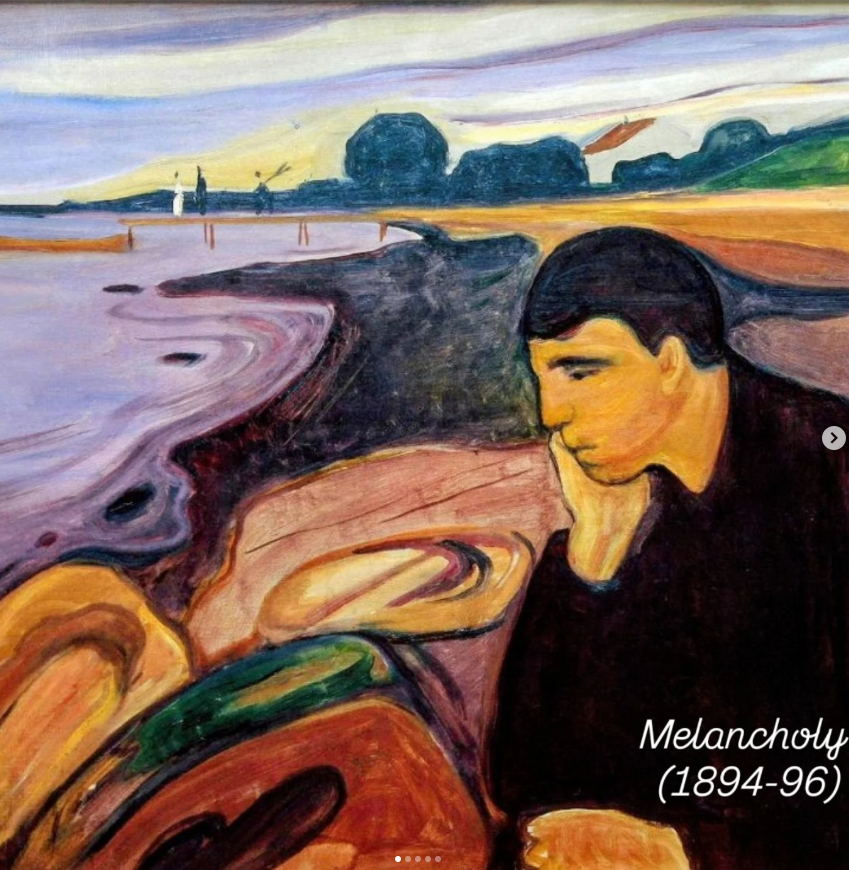
🎨 Στο έργο Melancholy In Munch’s work, a man stands alone on the shore, while two figures disappear into the distance. We do not see the rupture. Yet we see, directly, the pause that follows an encounter. Read more…
The Metamorphosis of Narcissus
Salvador Dalí
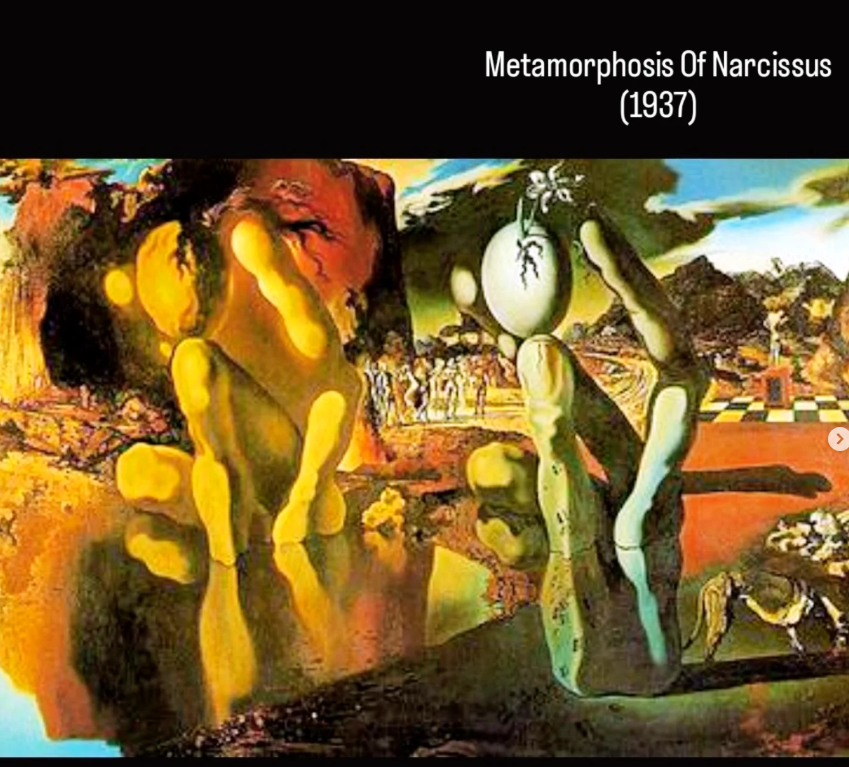
In this surrealist composition, on the left, Narcissus bends over his reflection. He falters and becomes paralysed, absorbed in an egocentric mirror. A figure cut off from life. Read more…
Edward Hopper - Morning Sun (1952)
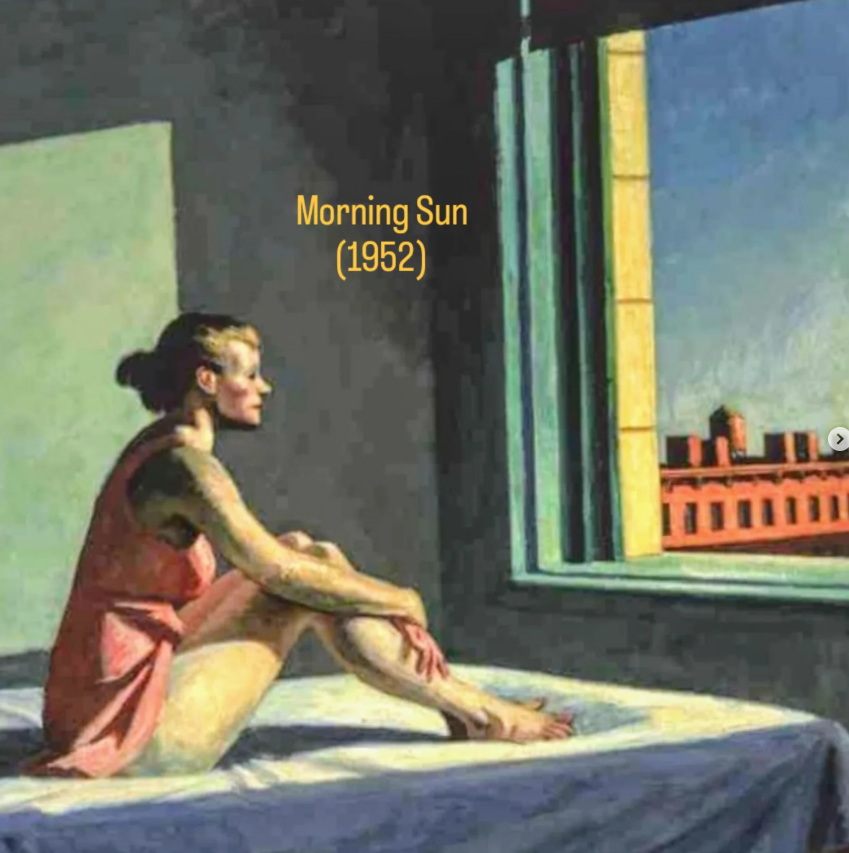
A woman sitting on a bed looks out of the window. The light touches her, yet she remains motionless, as if frozen. I wonder: ✨ What might someone see when looking at the painting? Read more…
Gustave Doré: Cupid with a Pistol on Top of a Mountain of Skulls
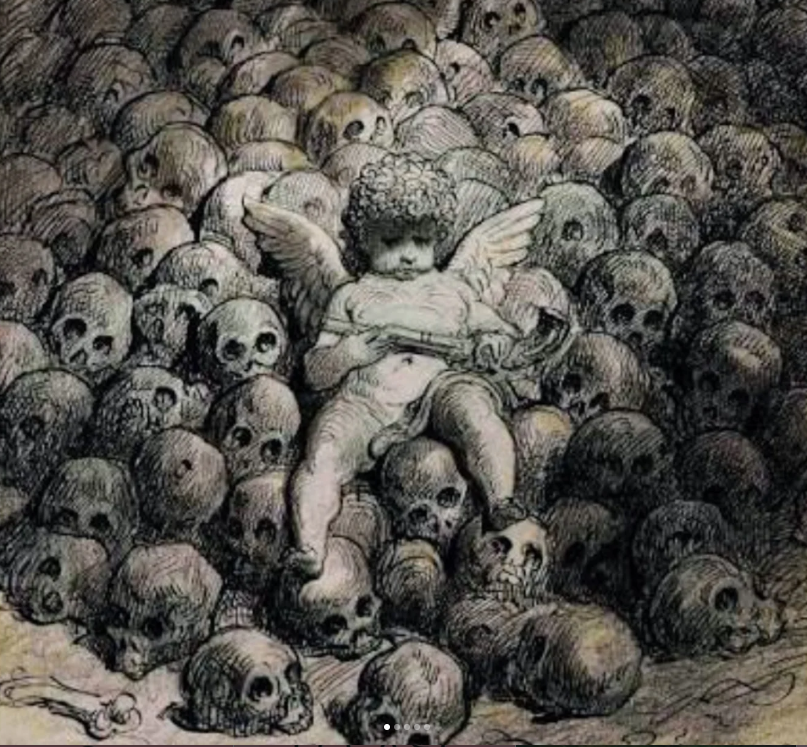
🖤 “In love, we do not seek only life, but also the repetition of loss.” Sigmund Freud 📁 This work does not idealise love. On the contrary, it reveals it. Read more…
The Labyrinth of Pleasures
Hieronymus Bosch
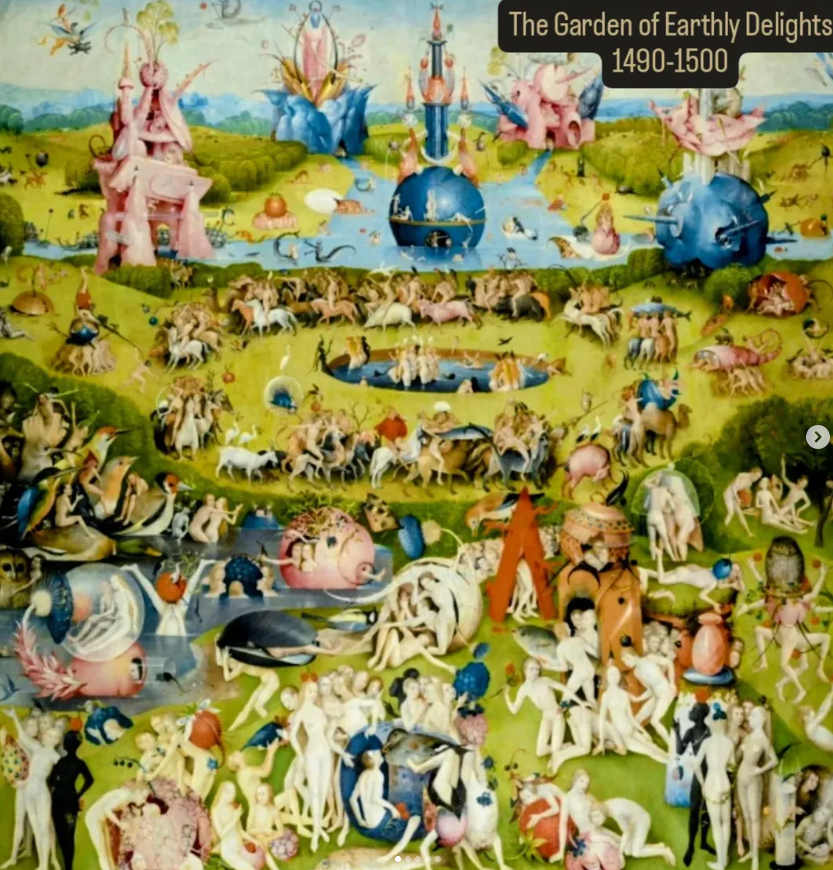
A sea of small figures, animals, and strange objects. At first, they seem playful and luminous, as if inviting you to relax. Yet the more you observe, the more you begin to see something else: each one appears to be pursuing their own pleasure, and while some enjoy their own joy, they simultaneously disturb the demons of others. Read more…
Ophelia
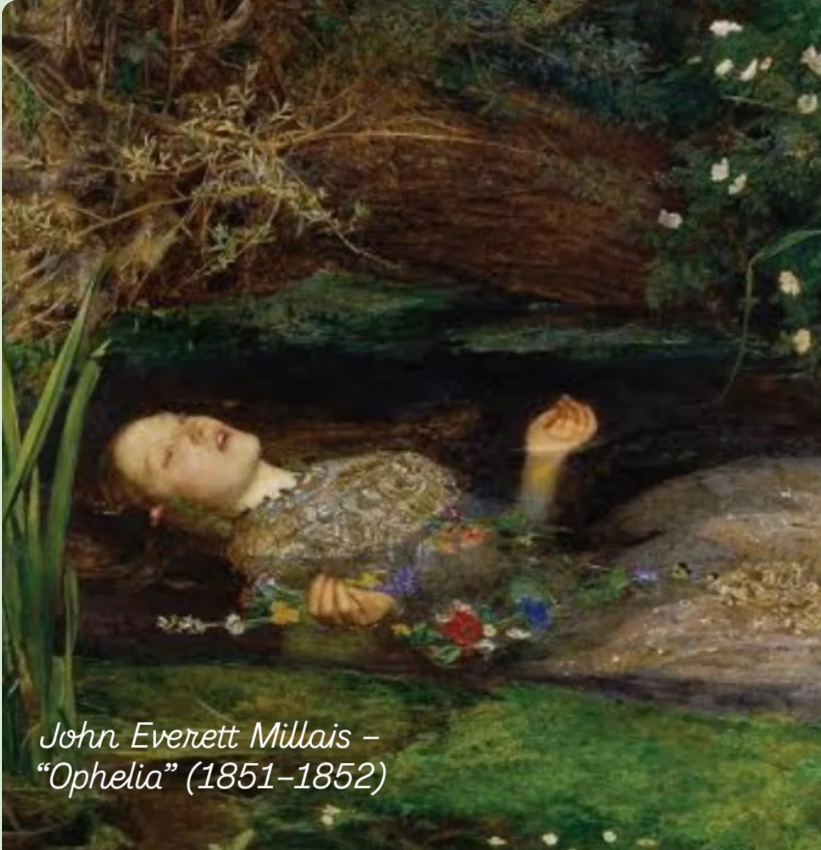
Ο John Everett Millais ζωγράφισε την Ophelia Inspired by the Shakespearean heroine who, after rejection and loss, surrenders herself to the water. The artist sought to capture the delicate moment between life and death, rather than to dwell on the fact of drowning. Ophelia’s face does not show terror. It shows resignation. Read more…
Φαίδρα του Ρακίνα
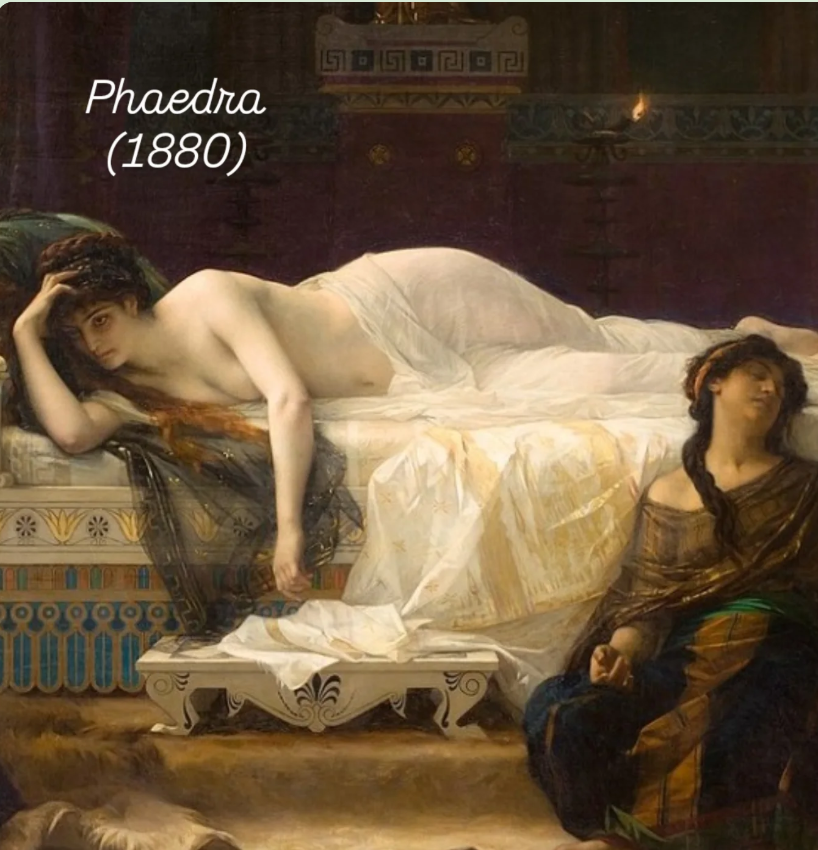
Alexandre Cabanel depicts, in his work of the same name, Phaedra, the tragic heroine of Greek mythology at a moment of inner tension, as her internal drama consumes her. Her eyes turn inward. Love and guilt in conflict… Read more…
The Accolade του Edmund Leighton
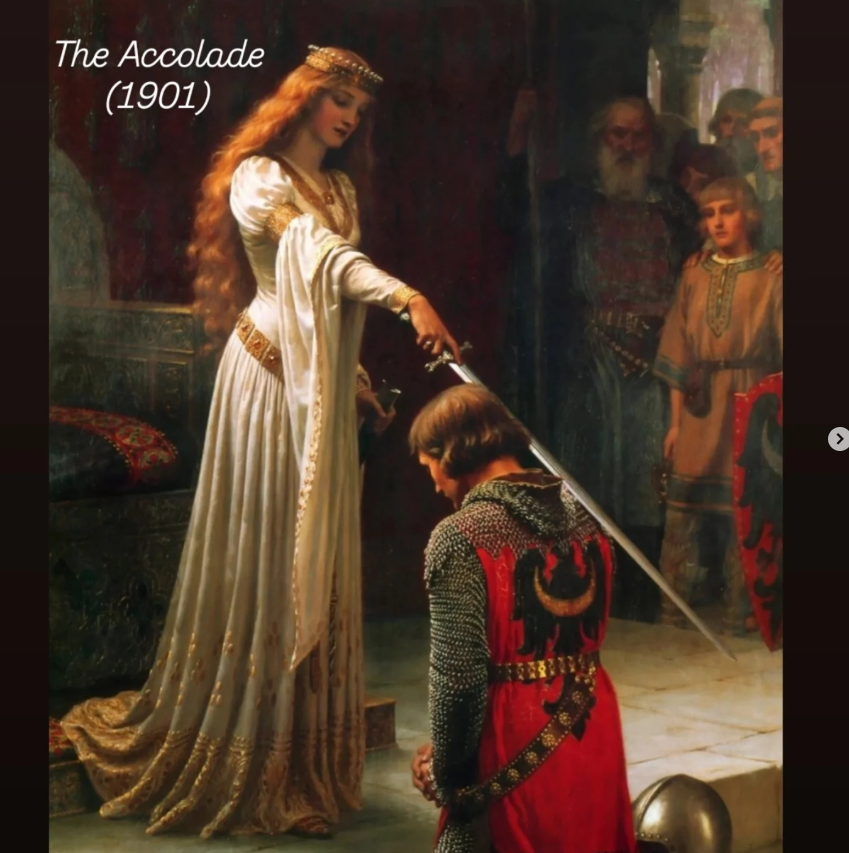
In the painting The Accolade In Edmund Leighton’s work, the figure of the knight bows before a woman he does not know. Yet he recognises her. Not as a person, but as a sign. A moment that makes no sense. And yet, something within him knows: 🎯 “You were the calling.” Read more…
Gustave Courbet — The Wounded Man (1844–1854)
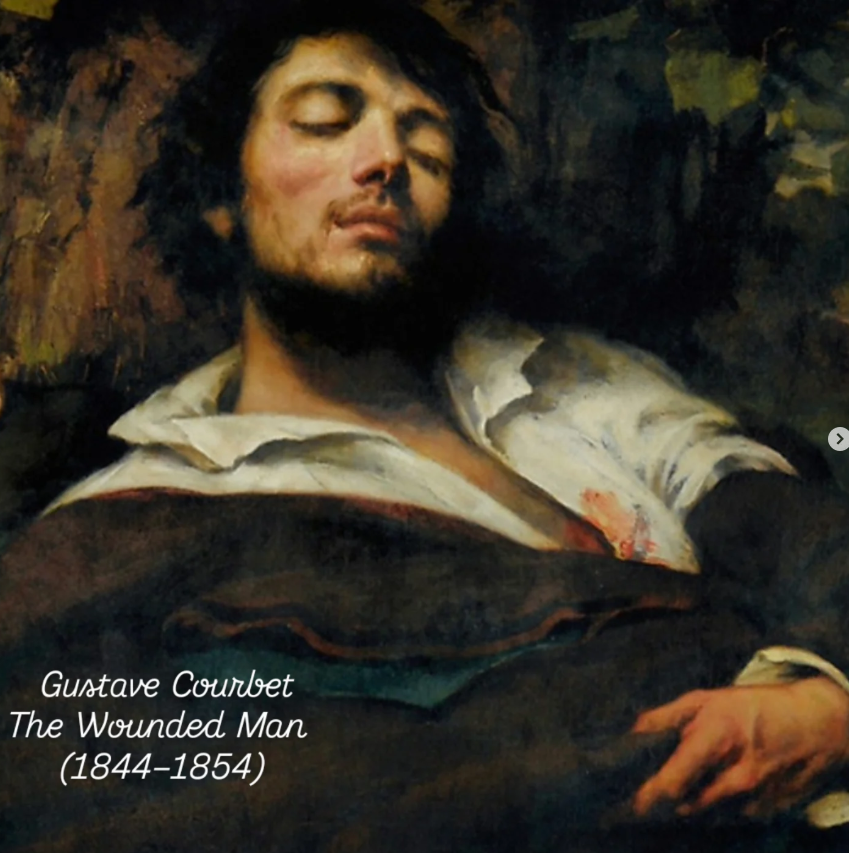
Perhaps… how many encounters of the soul have we avoided, hidden behind a resounding, insurmountable alibi, with fear as its bottom line? A bipolar alibi that makes us, at once, heroes of self-protection and prisoners of loneliness; justified before our own mirror, yet distanced from our truth and from the point of encounter with the Other. Read more…
Henry Fuseli — The Nightmare (1871)
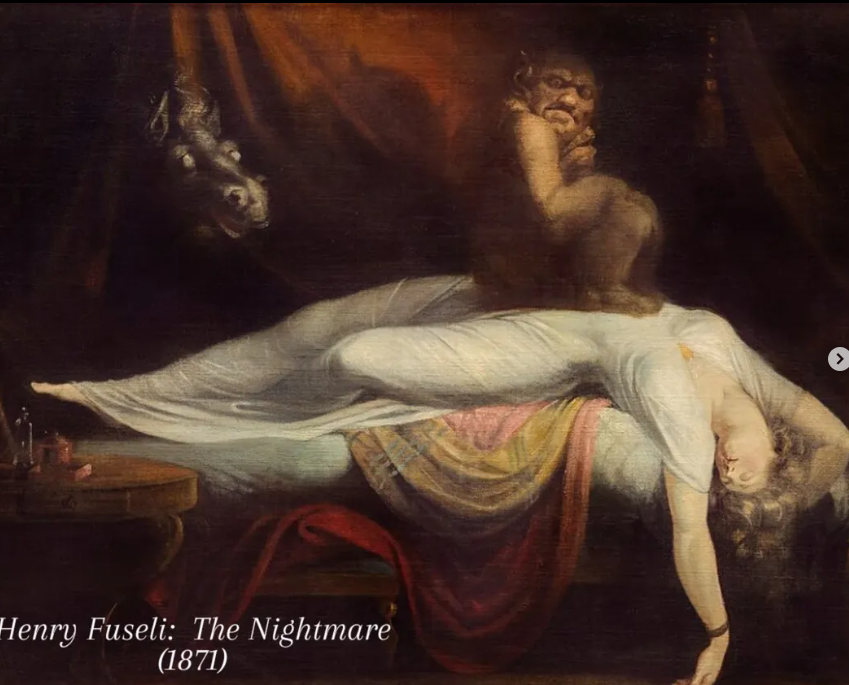
📁 The Nightmare : In Henry Fuseli’s painting, a woman sleeps, surrendered. Upon her chest, a demon. It is her desire weighing upon her. In the deep darkness, a horse with wide, staring eyes. It is the night that has become… a nightmare! Read more…
Frederic William Burton — The Meeting on the Turret Stairs (1864)
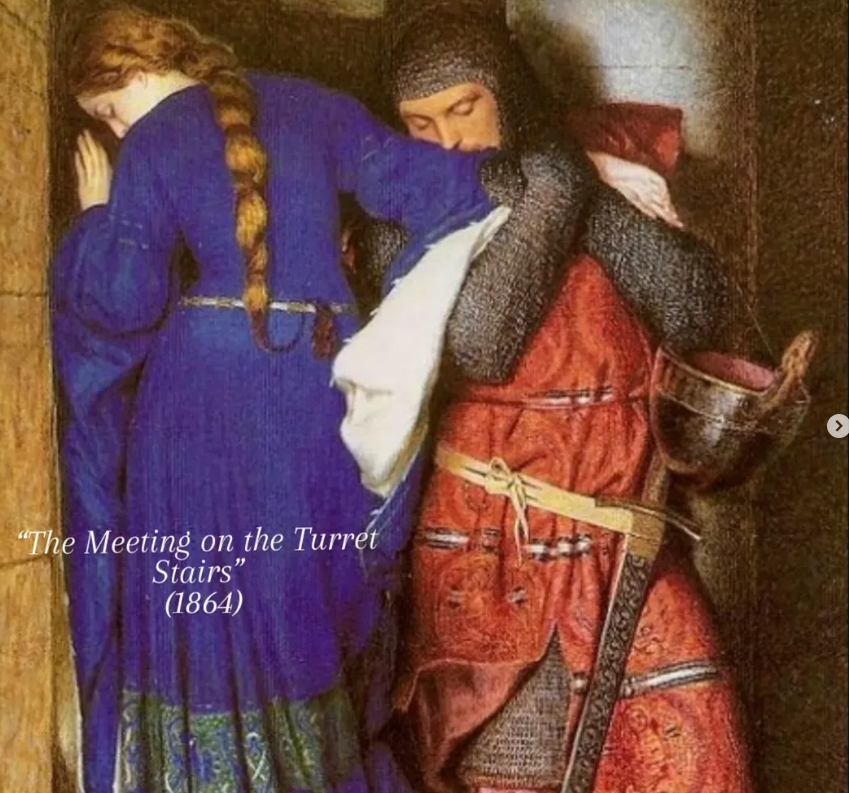
📁 The Meeting on the Turret Stairs : Frederic William Burton’s work presents a scene in which she, a royal daughter, and he, her silent guardian, live a hidden love that could not withstand the weight of the world. A love that is not enough. Read more…
Peter Paul Rubens — Prometheus Bound (1611–1612)
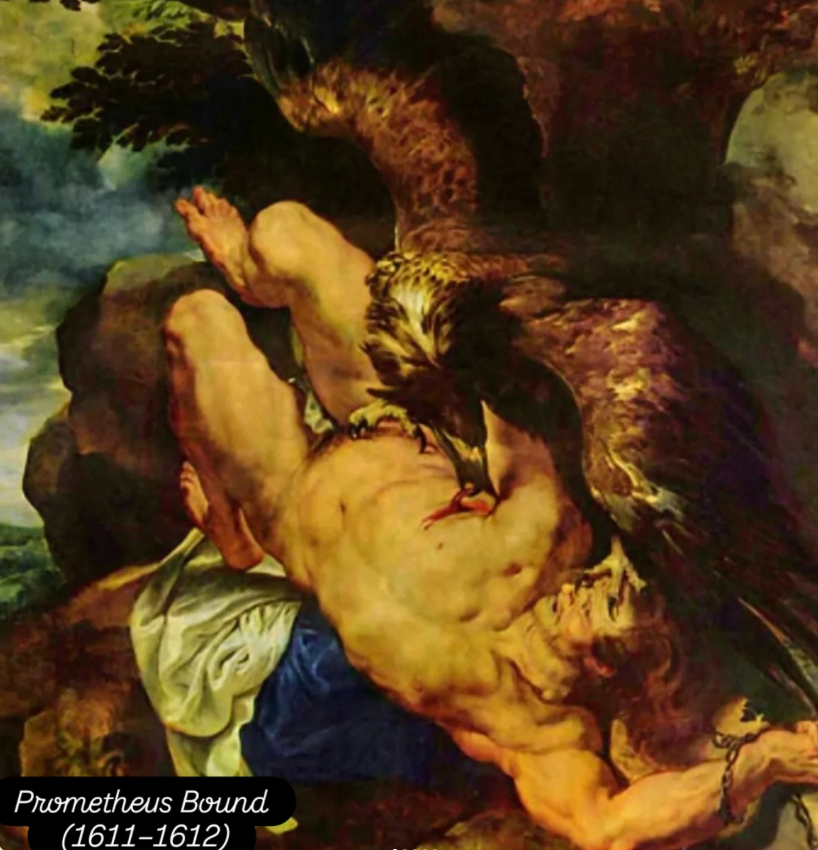
🎨 Prometheus Bound : In Peter Paul Rubens’s work, the myth of Prometheus is captured: he is eternally tormented because he dared to give humanity fire. Knowledge. Light. Read more…
Δομήνικος Θεοτοκόπουλος — Ο Χριστός φέρων τον Σταυρόν (1580)
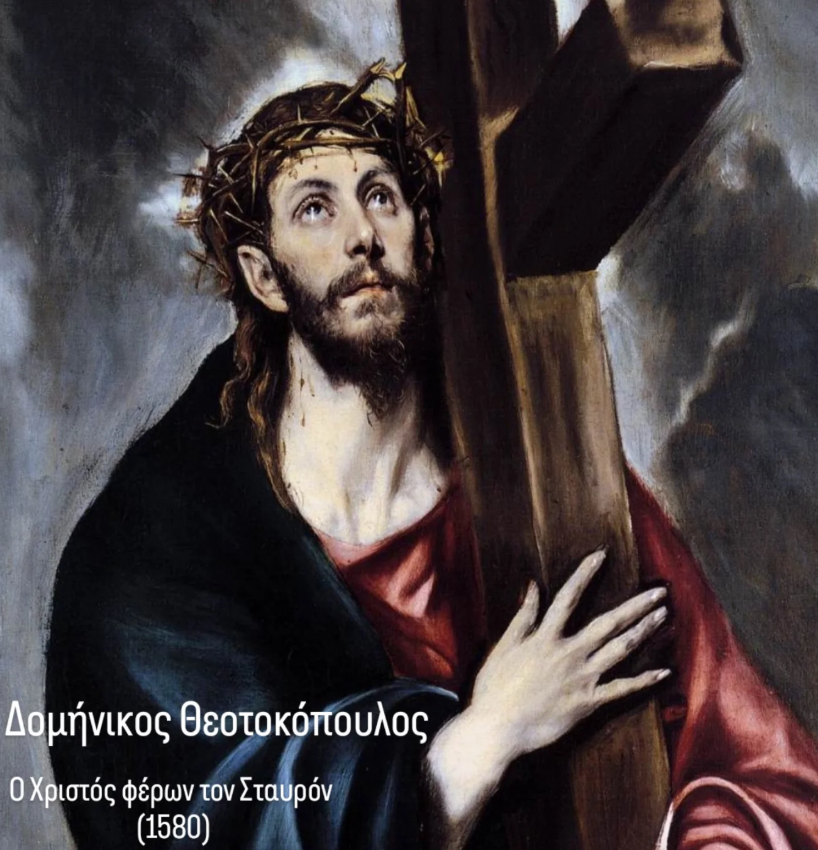
In the painting Christ Carrying the CrossIn Christ Carrying the Cross, El Greco depicts a Christ who does not resist pain. He carries his cross in silence, as though he has made peace with the inevitable. Perhaps because true strength is not found in the denial of pain, but in its acceptance. Read more…
«Οι Εραστές» του René Magritte
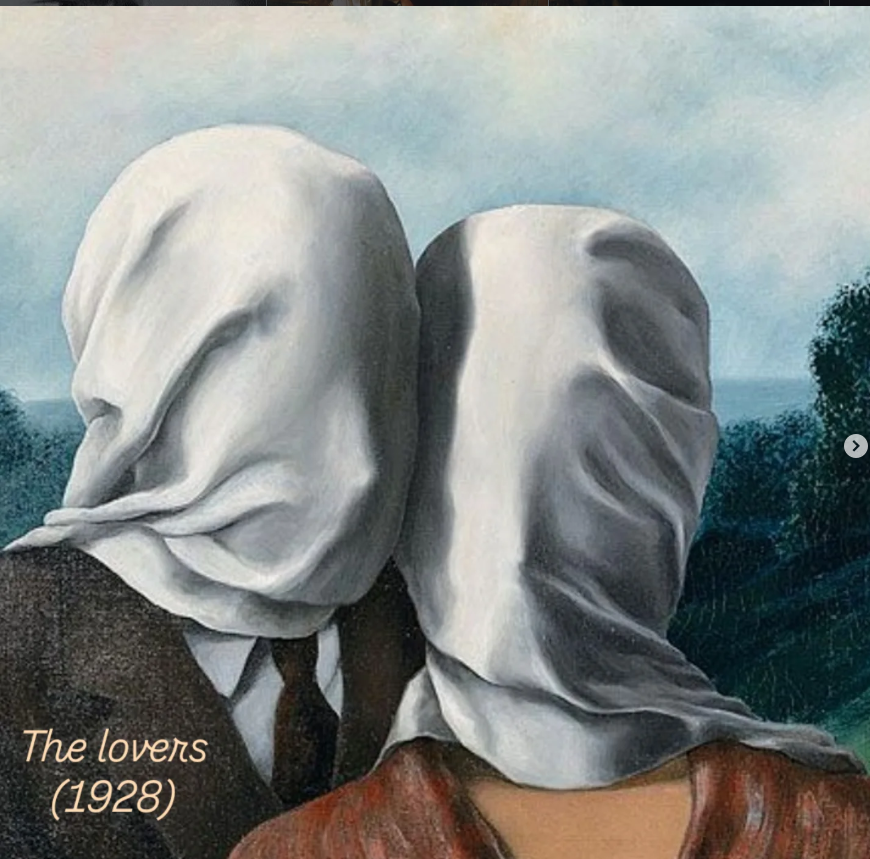
📁 The Lovers : René Magritte’s work depicts two figures between whom some kind of relationship exists, yet their faces are covered with white fabric. Through this particular work, the artist makes reference to the memory of his mother, who died by suicide in the Sambre. Read more…
Springtime
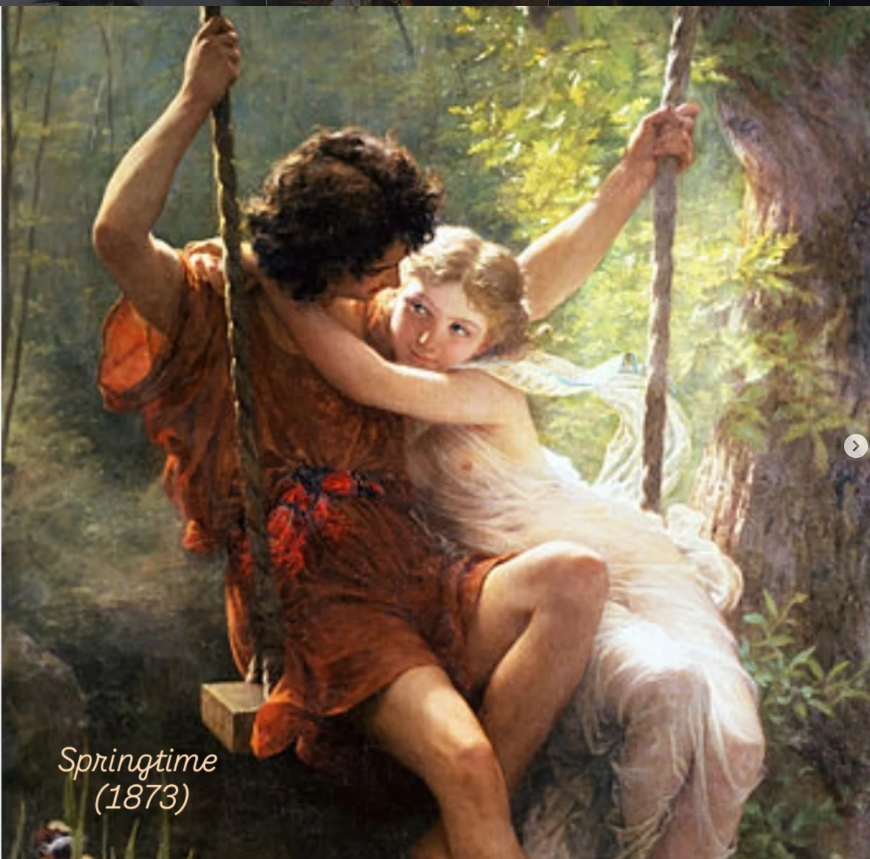
👉 Springtime Pierre-Auguste Cot’s work captures the magic of youthful love. A couple sits on a swing, wrapped in the freshness of spring, in a fairytale landscape filled with light and harmony. Can you remember the moment when the world seemed ideal, as you saw it through the eyes of love? Read more…
Sacrifice of Isaac, 1603–1604
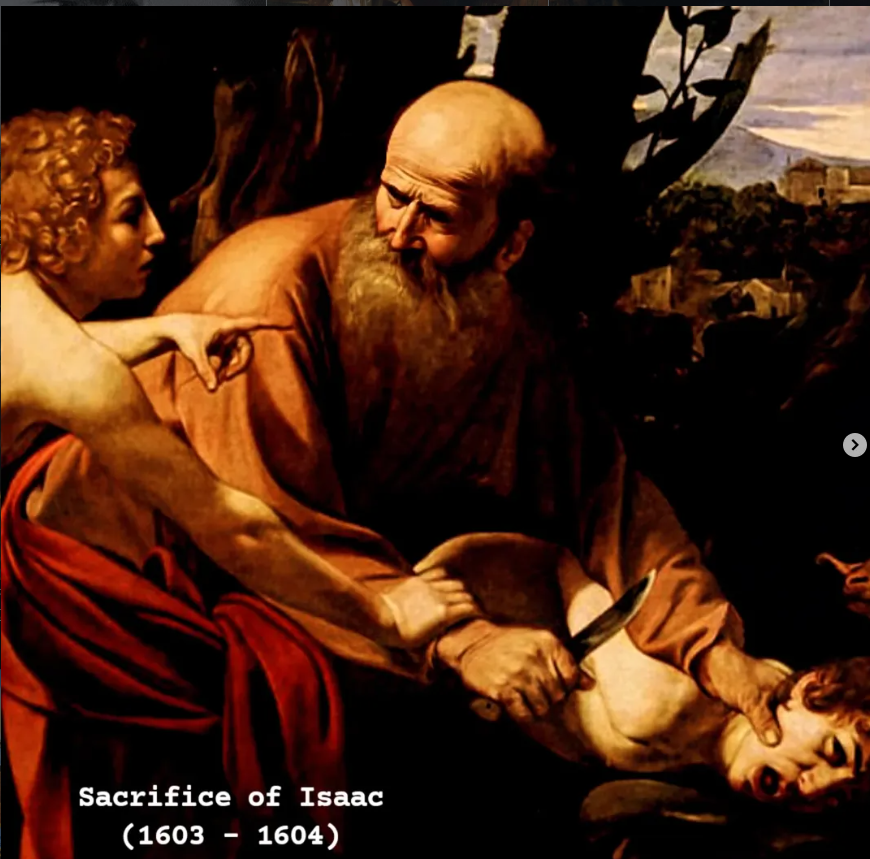
In the painting The Sacrifice of Isaac :In The Sacrifice of Isaac, the shocking Caravaggio captures the moment when faith and fear collide. Chiaroscuro : It emphasises the anguish and intensity of the moment: Isaac’s sacrifice seems inevitable. What would you think if that head, with its look of terror, were your own? Read more…
La persistència de la memòria, 1931
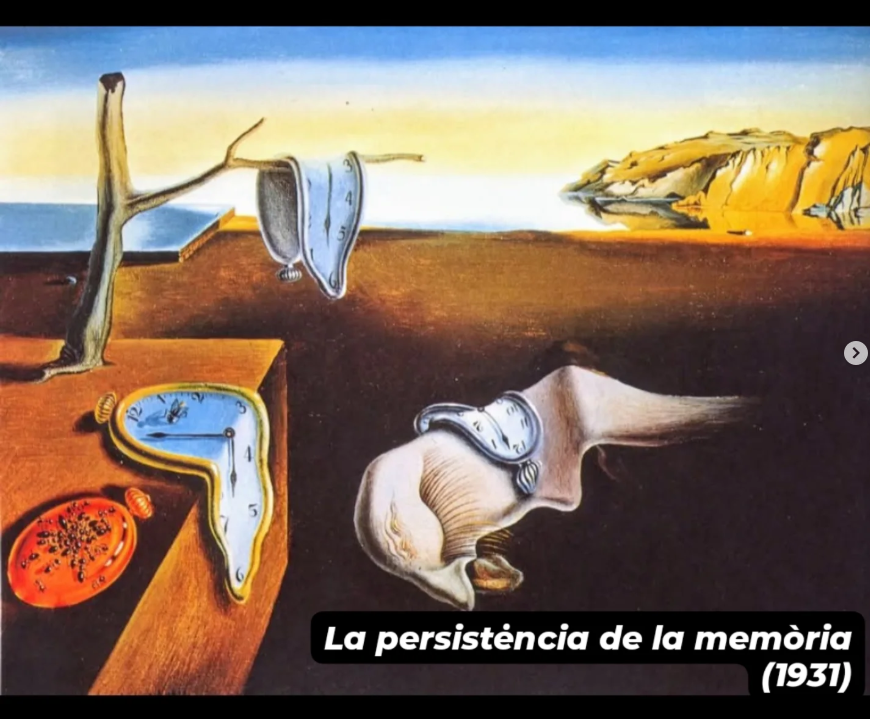
Στην The Persistence of Memory:The melting clocks seem to wink at us knowingly: “Relax, time is stranger than you think!” It therefore invites us to reflect… Read more...
The Sleep of Reason Produces Monsters, 1797–1799/ Springtime, 1873
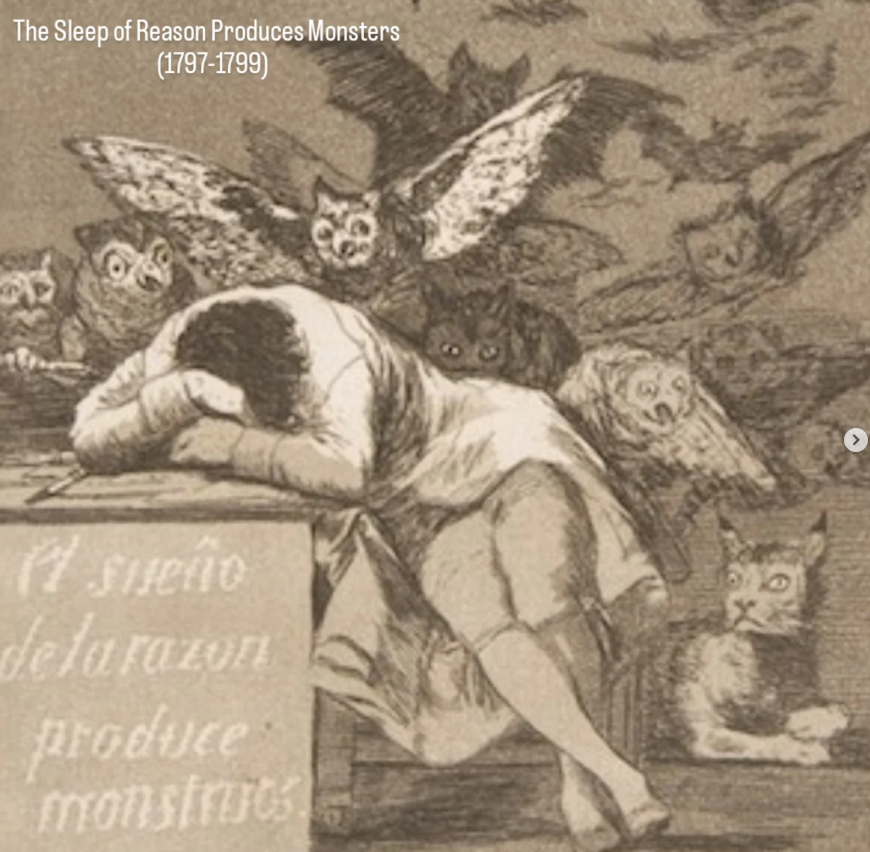
Francisco Goya : The slumber of reason breeds monsters.He is depicted hunched over his desk, lost in a sleep that is anything but peaceful. All around him, bats, owls, and felines emerge—strange creatures that symbolize fear, irrationality, and the dark aspects of the human mind. Read more…
Le Modèle Rouge 1935
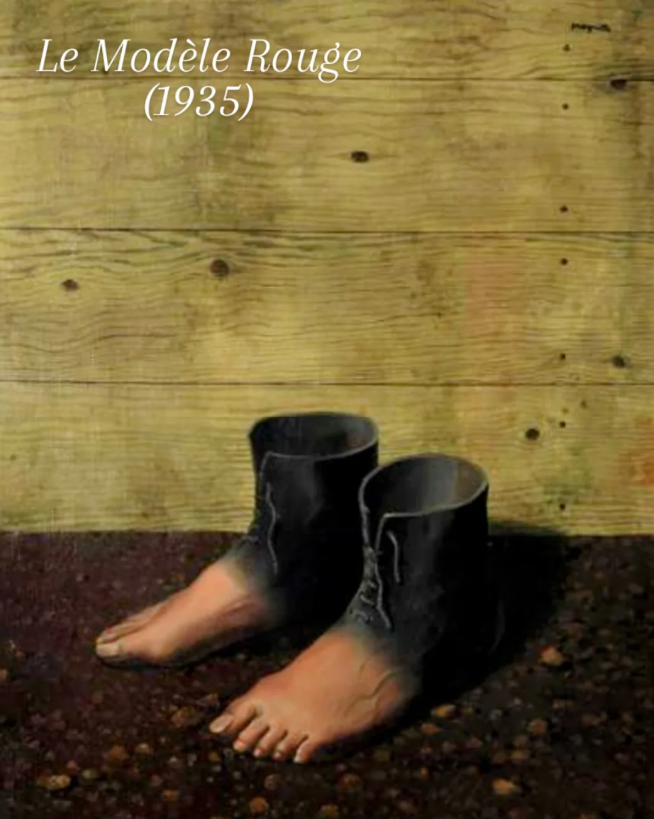
Στο Le Modèle Rouge The shoe-skin-foot breaks down the boundaries between the body and external impositions. Is it a shoe, or perhaps a role? It certainly means speed and plenty of shoes to fit us all. How often do we listen to one another? Read more…
Romeo and Juliet’s Last Kiss, 1823
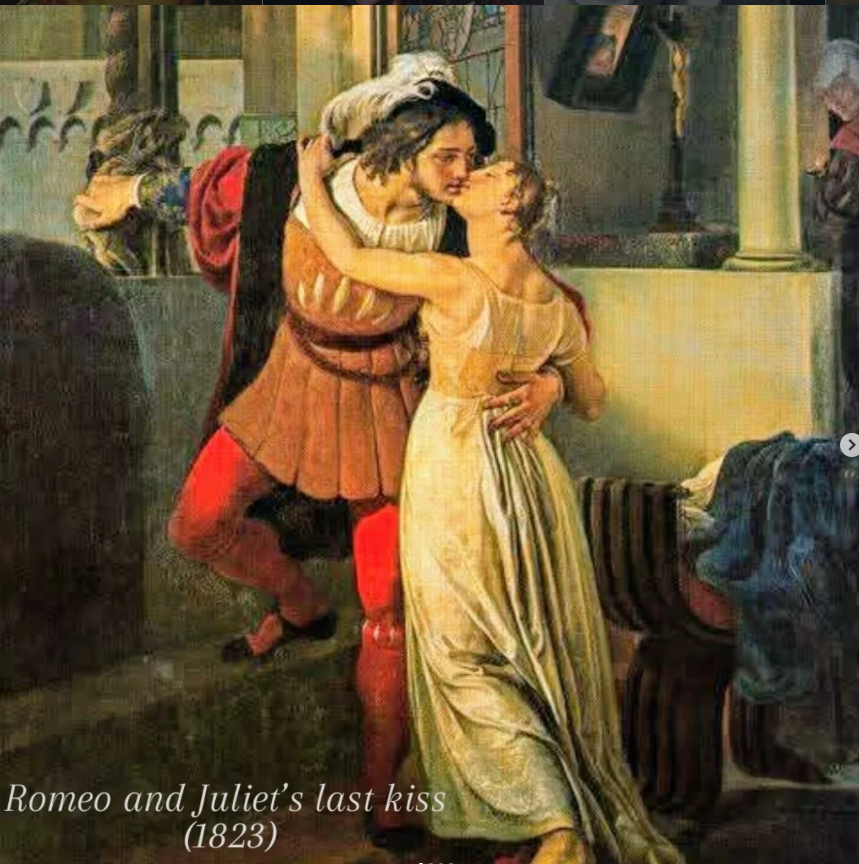
Love or romantic delusion? February 14—how many times have we confused love with the passion of romance that burns brightly and then fades away? With the longing for someone who seems irreplaceable, but who ultimately leaves a void in our lives? Read more…
Giorgio de Chirico — The Enigma of a Day, 1914
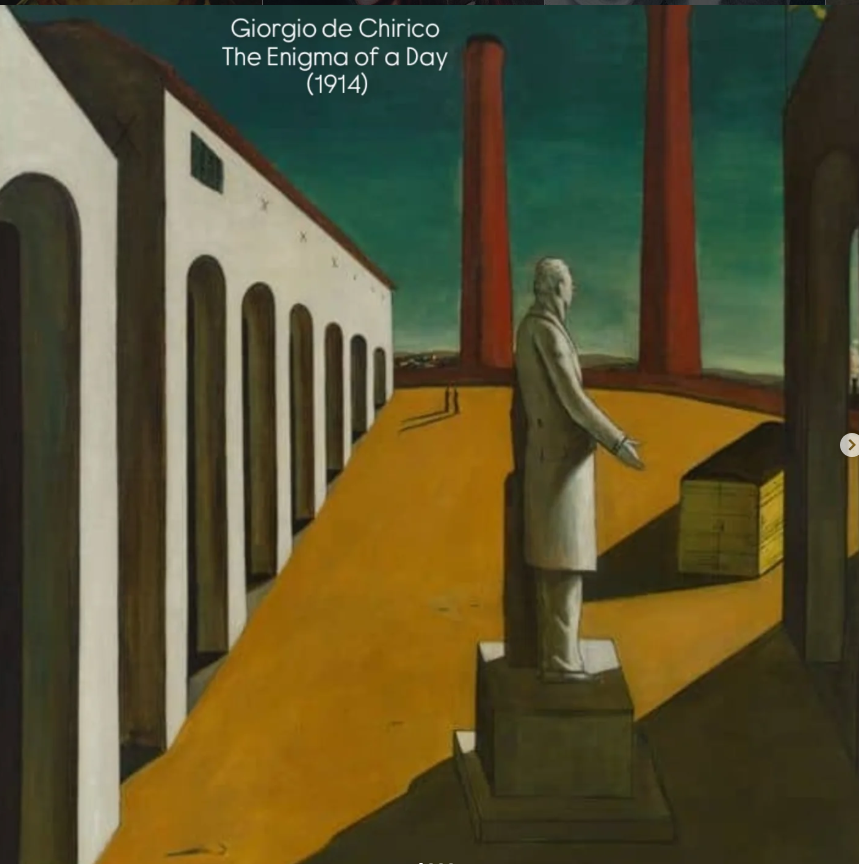
As we grow up, we learn to make decisions based on logic, experience, and our desires. But when uncertainty and anxiety become part of our daily lives, those decisions start to feel like a mountain to climb. Read more…
Narcissus, 1597–1599
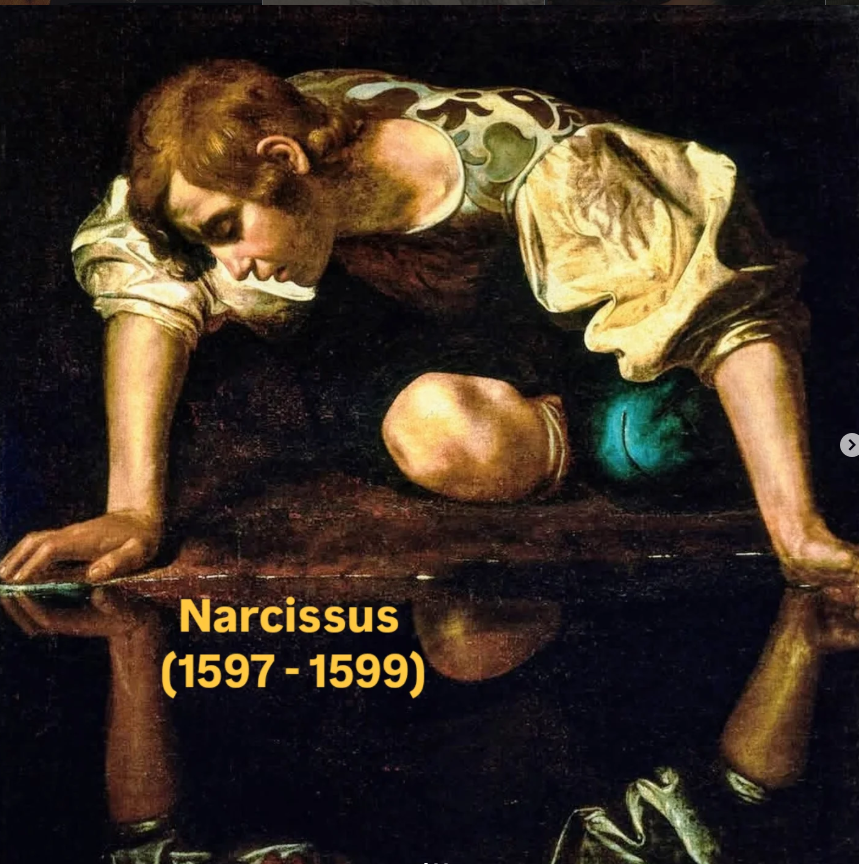
In Caravaggio’s painting, Narcissus gazes at his reflection and is “enchanted” by it. However, the reflection is nothing more than a distortion of reality. Read more…
Love
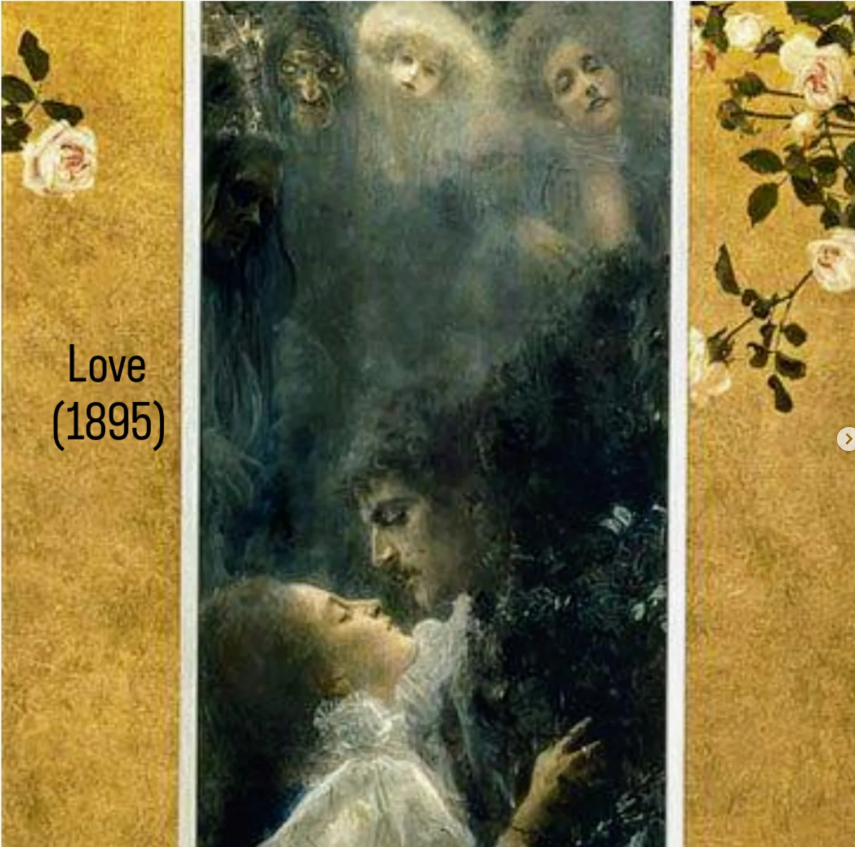
Στο Love :Klimt depicts love as a deep need for connection. The vulnerable woman symbolizes trust. The man, hidden in the shadows, evokes the mystery of love. Read more…
Γέννηση της Αφροδίτης του Botticelli
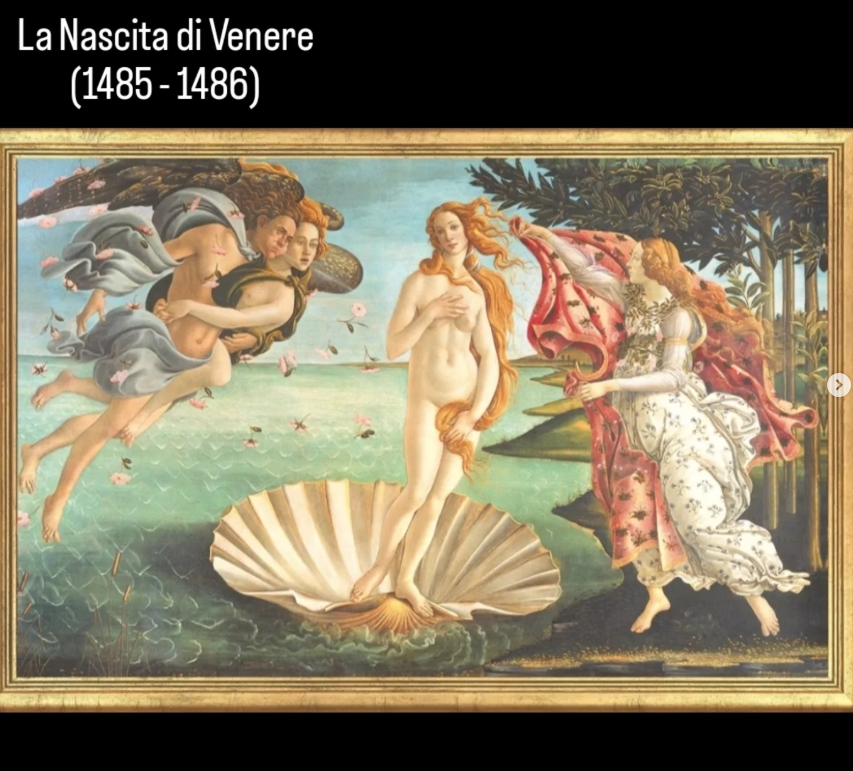
As Carl Rogers points out, “Love is the act of self-acceptance in the midst of chaos.” In the The Birth of Aphrodite The goddess of love, newly born atop a seashell, stands vulnerable yet steadfast, while the sea, full of movement and chaos, sets her off. Read more…
"The Birth" by Piero della Francesca
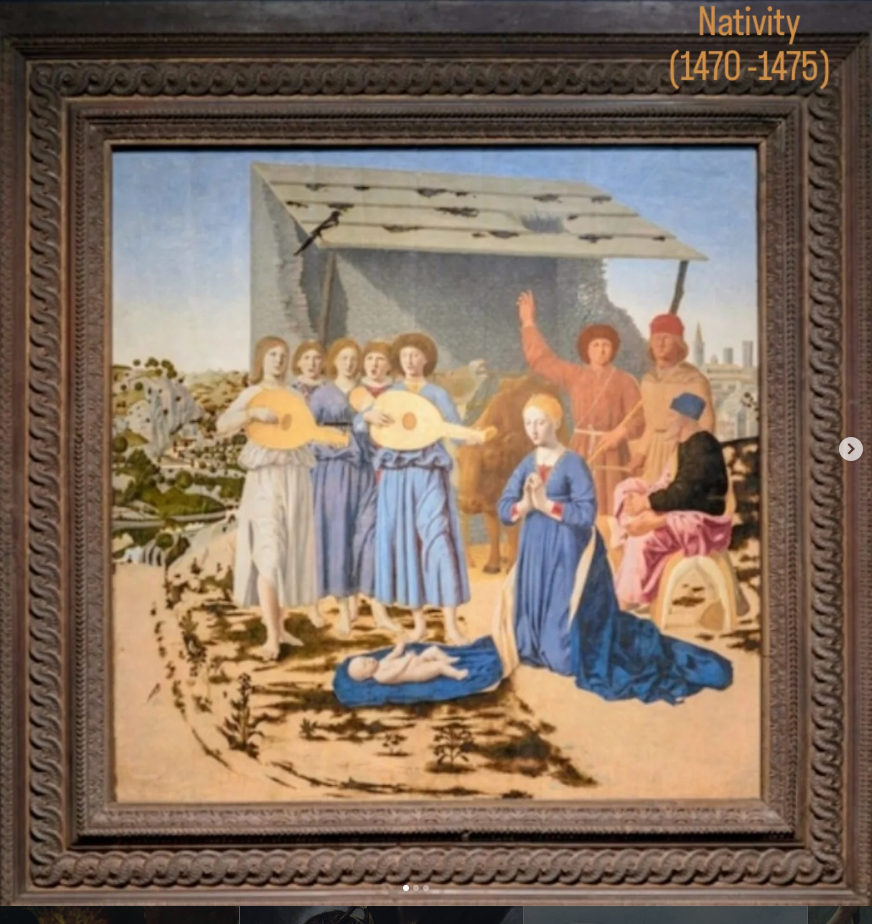
Piero della Francesca’s *The Nativity* does not merely depict the beginning of life, but becomes a symbol of transformation and renewal in the Christmas narrative. It is a moment that invites us to pause before the Miracle, to observe, to reflect. Read more…
The Pleasure Principle
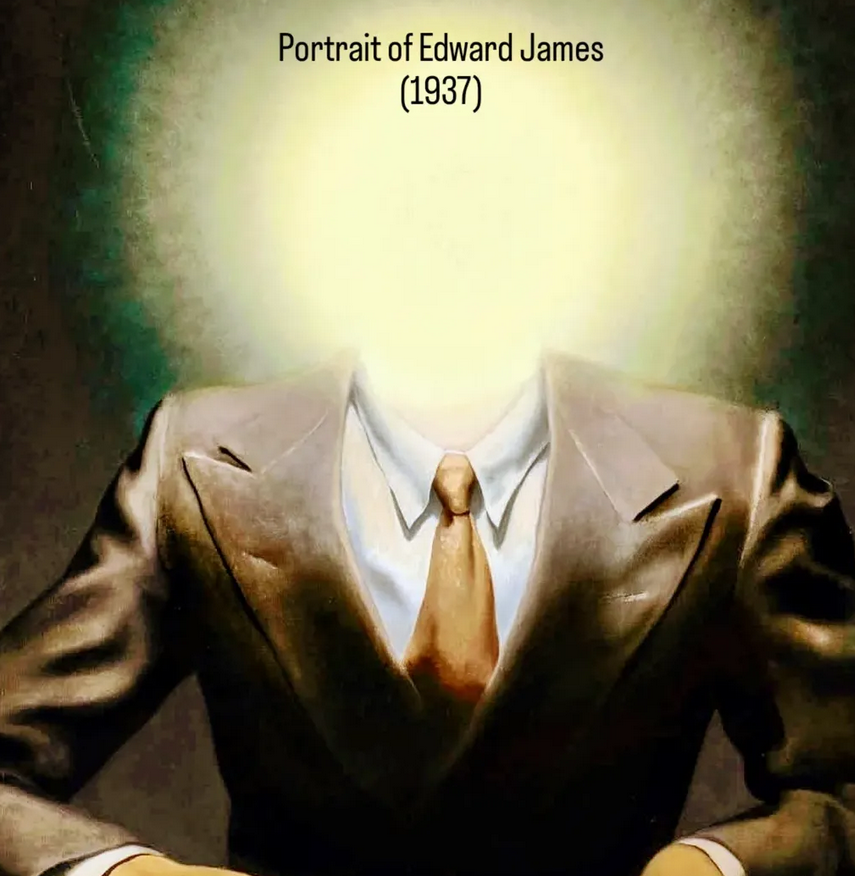
Ο René Magritte στο έργο The Pleasure Principle calls on us to question “visible reality.” Edward James, featureless but with a head made of light, reminds us that human existence transcends mere image. Read more…
The Day After
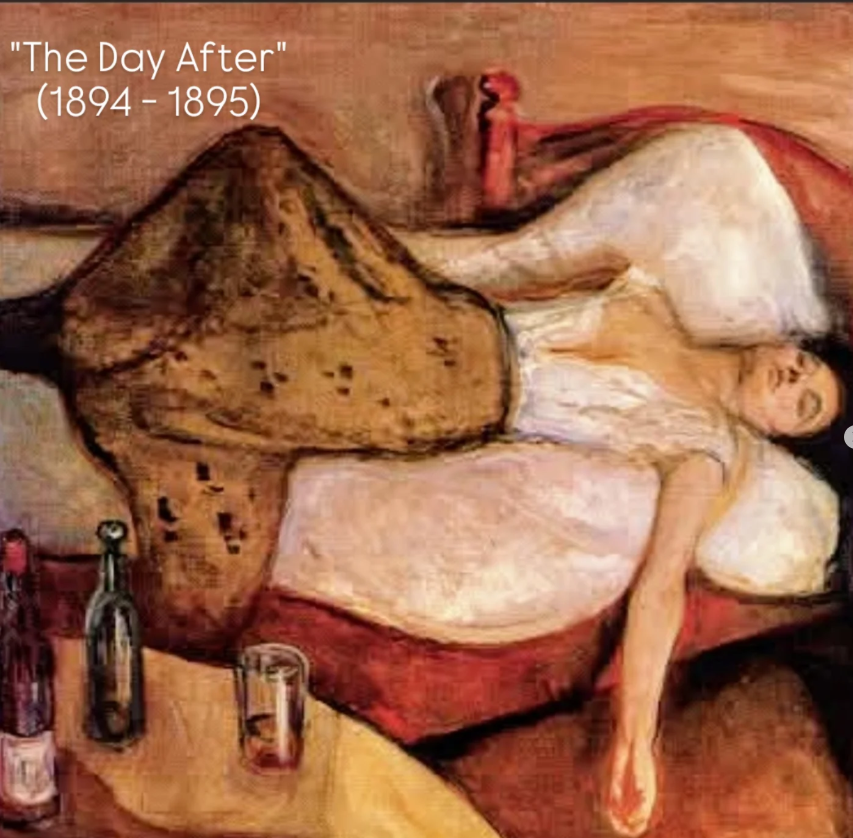
Ο Edvard Munch, στο “The Day After”, εστιάζει στη μοναξιά και τη συναισθηματική δυσφορία. Μια γυναίκα απεικονίζεται εξαντλημένη, μετά από μια νύχτα υπερβολής, περιτριγυρισμένη από μπουκάλια αλκοόλ. Read more…
Medusa
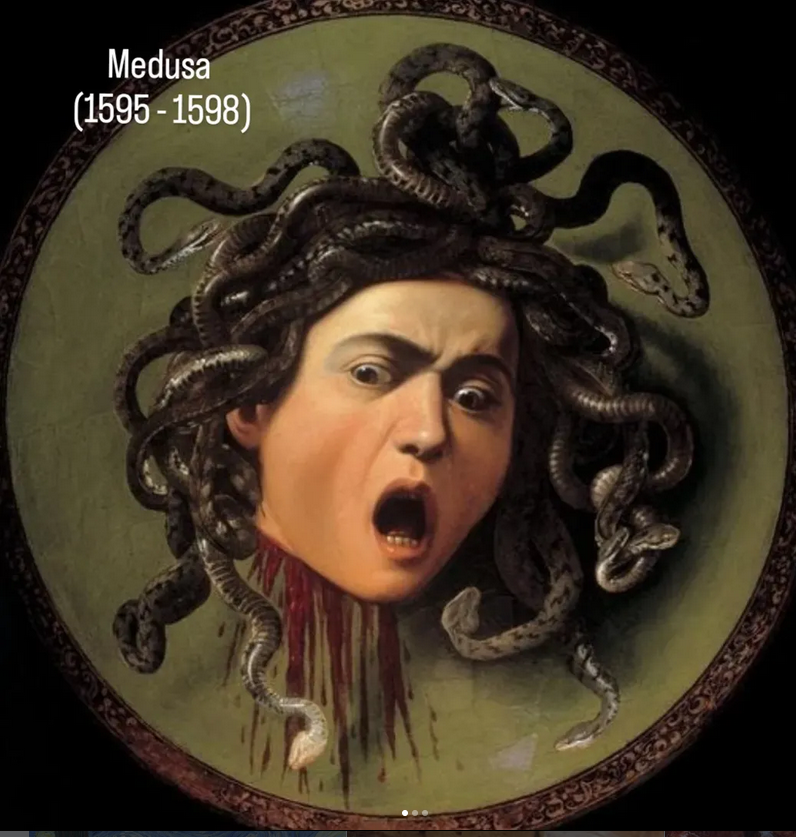
Στη Medusa In Caravaggio’s painting, her terrifying figure draws us in, while at the same time “challenging” us to look her straight in the eye. The danger beckons: will we plunge into it, or will we hold back? Read more…
Philosopher Reading
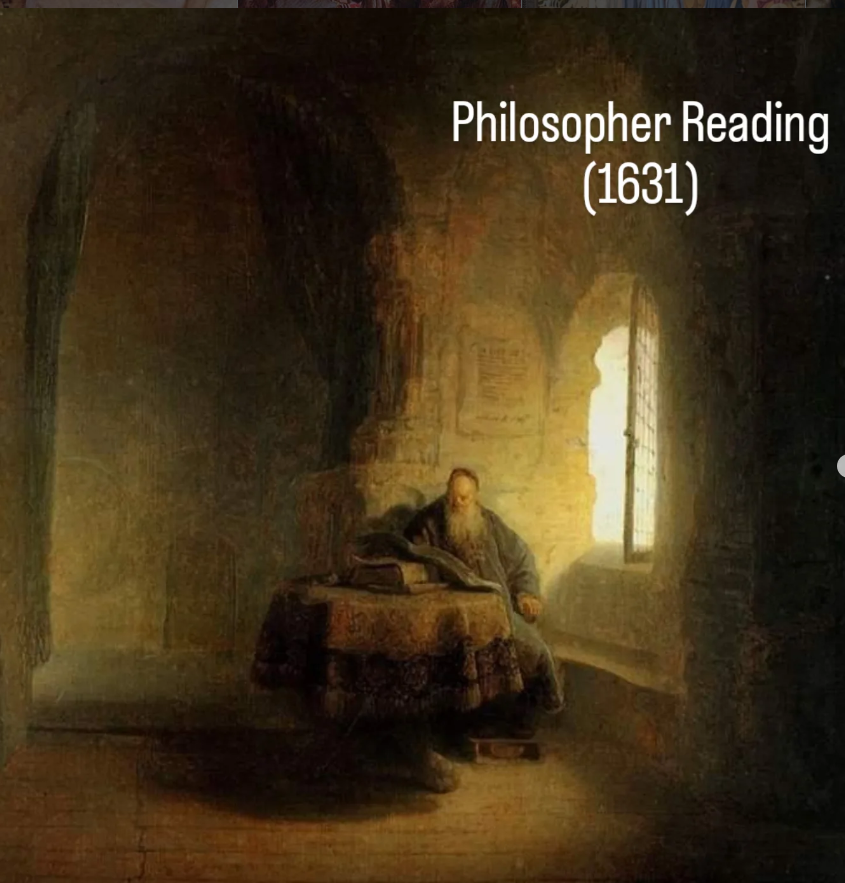
Ο Rembrandt, στο έργο του Philosopher Reading, it captures a sense of contemplation and how it can illuminate the soul. And yet, we often fill our moments of silence with “noise”: scrolling, work, going out, etc. Read more…
Escaping Criticism
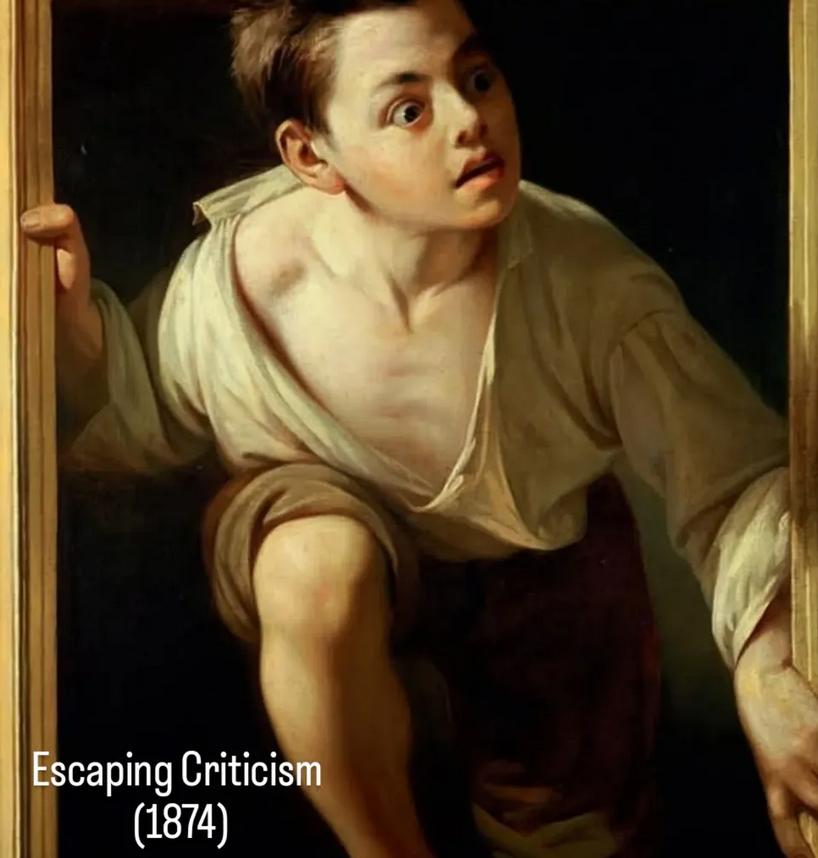
Στο Escaping Criticism, Pere Borrell del Caso challenges our perception. A boy breaks free from the painting, shattering the confines of the frame. Are the boundaries we see real, or do we ultimately impose them on ourselves? Read more…
Le Blanc Seing
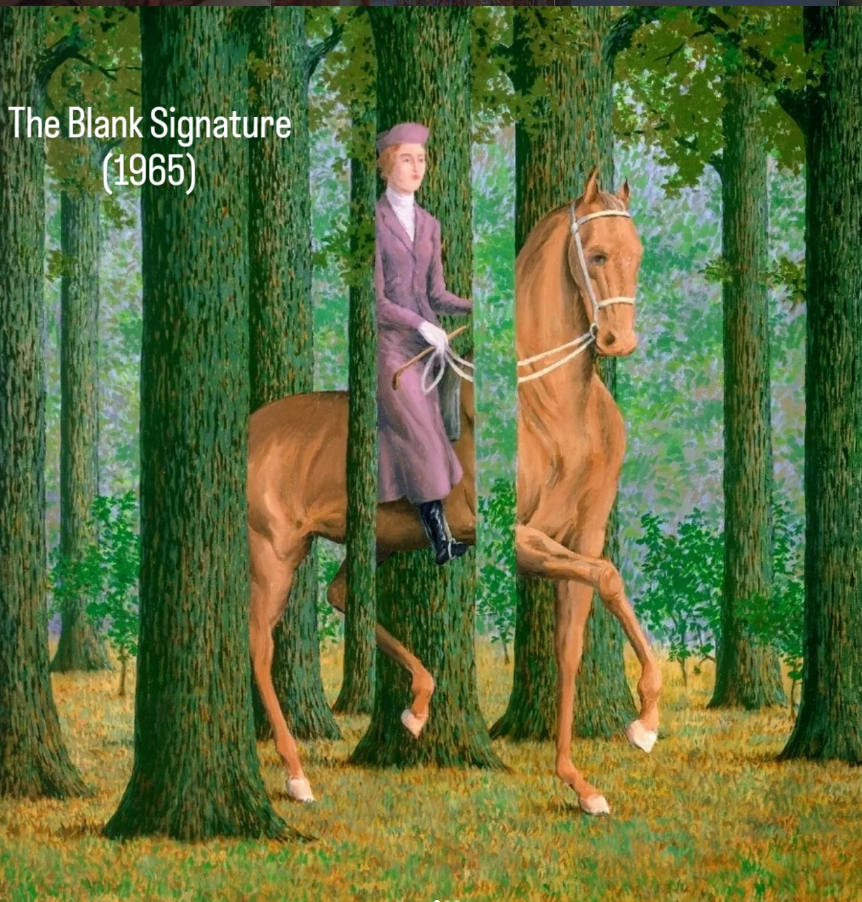
Στο Le Blanc Seing, René Magritte challenges our logic. A woman and her horse are moving through nature, but the image is fragmented and something is missing—or is it? Read more…
The desperate Man
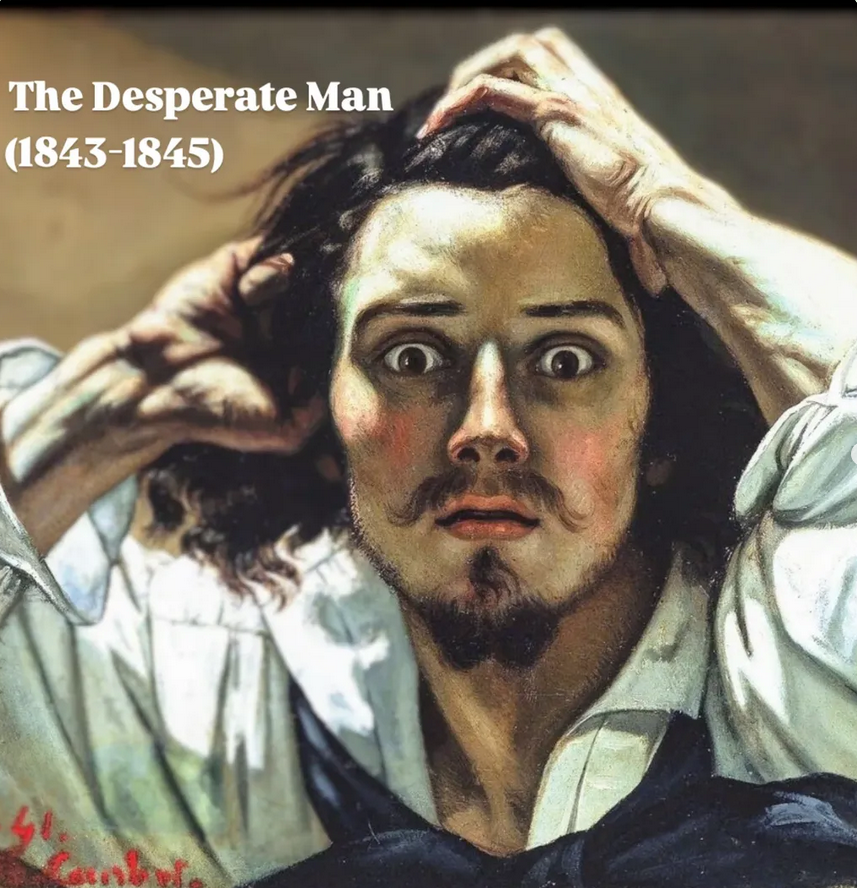
Gustave Courbet seems to have deeply understood the magnitude of despair when it overwhelms you. In his self-portrait, he accurately captures this despair, revealing his fear in the face of “uncharted waters.” Read more…
Roles and Carl Jung's Theory Through the Lens of Theater.
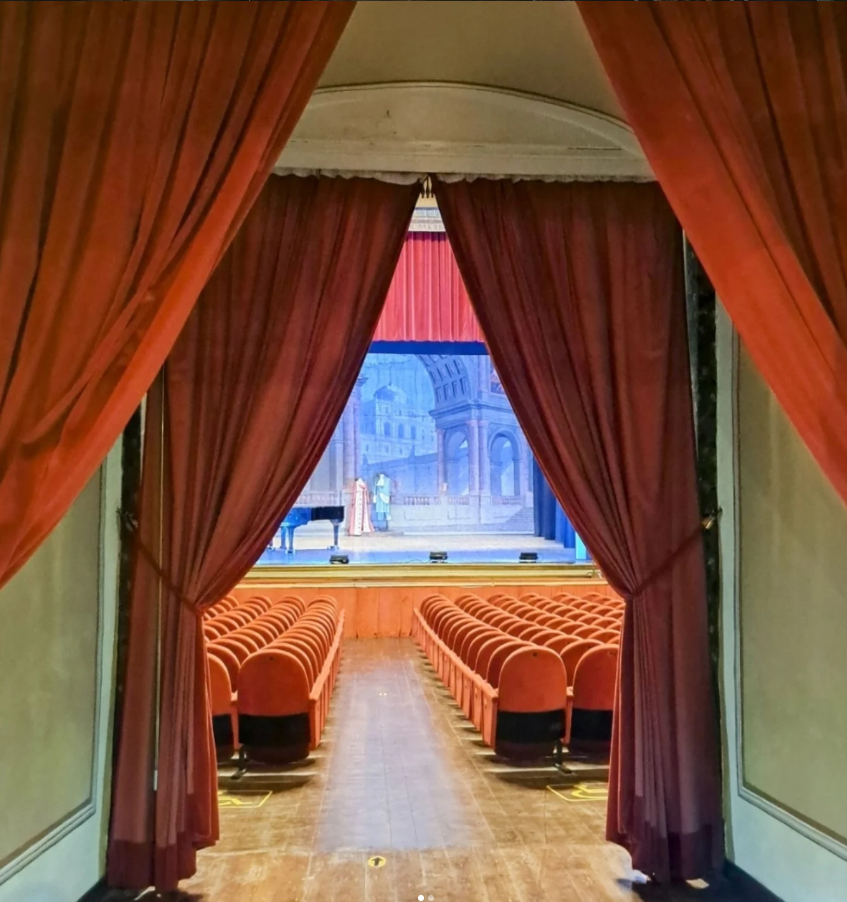
Carl Jung, a psychiatrist and psychoanalyst, developed the theory of the Persona archetype — Persona — arguing that we all wear a “public mask” in order to adapt to social expectations and accept the roles assigned to us. Read more…
"Little People"
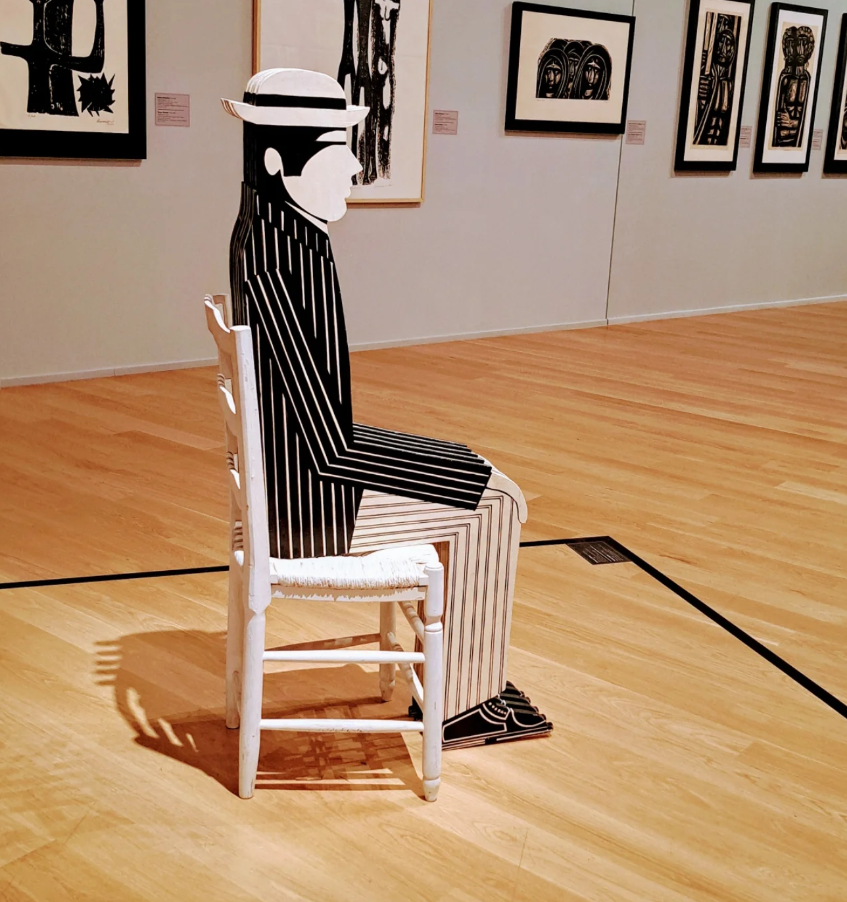
The sculptor and painter Yannis Gaitis, known for his expressionless, identical “Little People,” used his work to protest the homogenization of modern humanity. This particular work personally reminds me of the striking depiction of the multiple self. Read more…